A body lotion should be approved as a complete use system: formula, fragrance, pump and pack size. A sample that feels elegant from a lab jar may behave differently through a long dip tube or after production scale-up.
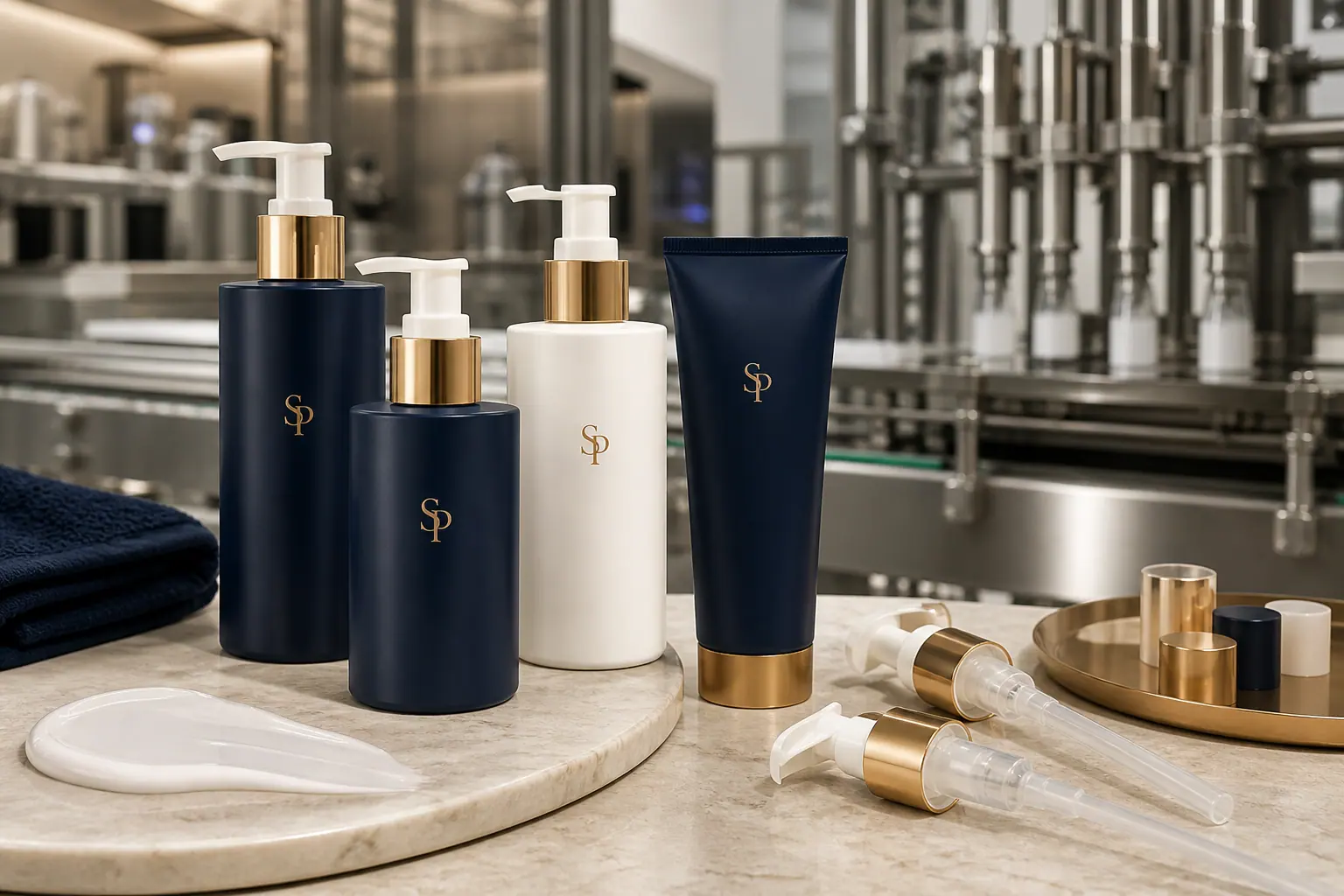
Turn sensory language into decisions
Instead of “luxurious,” describe pickup, spread, play time, absorption, residue and finish. Compare samples on a defined skin area and at a consistent dose. Note the climate and consumer routine that matter to the launch.
Why pump output changes perception
A small output may require repeated strokes; a large output can feel wasteful. Viscosity, dip-tube geometry, bottle height and actuator design all contribute. Check priming, dose consistency and evacuation as the pack approaches empty.
Scale-up checkpoints
- Confirm raw-material and fragrance specifications.
- Record the approved lab sample and acceptance language.
- Review mixing order, temperature and homogenization needs.
- Compare pilot or first-batch observations with the reference.
- Release artwork only after pack dimensions are controlled.
Claims and market readiness
Moisturizing and sensory claims should be written in line with available support and the destination market. Avoid promising treatment of skin conditions or universal results. Ingredient naming, net contents, responsible-party information, cautions and language requirements may differ across markets.
FAQ
Can fragrance change lotion viscosity?
It can interact with the system, depending on composition and level. Evaluate the final fragrance in the final base.
Is a larger bottle always more economical?
Not automatically. Component MOQ, freight, retail price and consumer usage rate all affect the commercial result.
See body and personal care capabilities, packaging options, or request a project review.